Chemical Peels vs. VI Peels: Which Exfoliating Treatment Is Right for Your Skin?

When topical serums and home scrubs no longer deliver the results you want, clinical exfoliation provides a reliable path to skin renewal. Two of the most effective and popular solutions are traditional chemical peels and VI Peels.
While both belong to the chemical exfoliation family, they differ significantly in formulation, depth, target concerns, and recovery experiences. Choosing the right treatment depends on your unique skin type, specific goals, and downtime tolerance.
If you are evaluating resurfacing options in the Denver metro area, scheduling a custom Chemical peel Aurora Co consultation allows experienced medical aestheticians to evaluate your skin barrier and match you with the exact formulation your skin needs.
What Is a Traditional Chemical Peel?
A traditional chemical peel involves applying a clinical-grade acid solution to the skin to cause controlled exfoliation. By lowering the skin’s pH, the solution breaks down the intercellular "glue" holding dead, damaged cells together, allowing them to slough off over several days. This reveals a fresher, smoother, and more even-toned layer underneath.
Traditional chemical peels are categorized by depth and formulation:
1. Light (Superficial) Peels
Key Ingredients: Alpha Hydroxy Acids (AHAs) like Glycolic or Lactic acid, or Beta Hydroxy Acids (BHAs) like Salicylic acid.
Depth: Works strictly on the outer layer of skin (epidermis).
Best For: Mild dullness, minor breakouts, and quick glow maintenance with zero to minimal flaking.
2. Medium Peels
Key Ingredients: Trichloroacetic Acid (TCA), higher concentration glycolic acid, or blended resurfacing formulas.
Depth: Penetrates through the epidermis and into the upper portion of the middle layer (dermis).
Best For: Stubborn hyperpigmentation, fine lines, moderate sun damage, and shallow acne scars.
3. Deep Peels
Key Ingredients: High-strength TCA or Phenol formulas.
Depth: Reaches the mid-to-deep dermal layers.
Best For: Severe photoaging, deep wrinkles, and extensive scarring. (These require medical supervision and significant downtime).
What Is a VI Peel?
A VI Peel (Vitality Institute Peel) is a specialized, medical-grade synergistic blend designed to provide the deep corrective results of a medium-depth peel with significantly less discomfort and downtime.
Unlike single-acid traditional peels, the VI Peel combines a proprietary blend of powerful exfoliating and restorative ingredients:
Trichloroacetic Acid (TCA): Smooths deep wrinkles and stimulates collagen synthesis.
Retinoic Acid (Vitamin A): Penetrates deeply to accelerate cellular turnover and inhibit melanin production.
Salicylic Acid: Unclogs pores and calms active inflammation.
Phenol: Numbs the skin naturally during application to ensure a comfortable treatment.
Vitamin C & Essential Peptides: Brightens tone, neutralizes free radicals, and supports deep skin healing.
One of the greatest advantages of the VI Peel is its safety profile across all skin tones (Fitzpatrick Types I–VI). Traditional single-acid peels can sometimes trigger post-inflammatory hyperpigmentation (PIH) in darker skin types if not carefully managed, whereas the VI Peel formulation is specifically engineered to safely treat hyperpigmentation and melasma across diverse skin tones.
Key Differences: Chemical Peels vs. VI Peels
| Feature | Traditional Chemical Peels | VI Peel |
| Formulation | Single-acid (e.g., Glycolic, Salicylic, TCA) or custom enzyme blends. | Multi-acid synergistic blend + Retinoic Acid, Vitamin C, and Peptides. |
| Comfort Level | Mild stinging, warmth, or tingling depending on strength. | Formulated with Phenol for built-in numbing; highly comfortable. |
| Skin Tone Safety | Requires careful selection for darker skin tones (Fitzpatrick IV–VI). | Safe, effective, and tested for all Fitzpatrick skin types (I–VI). |
| Target Concerns | Excellent for specific issues (e.g., BHA for oil/acne, AHA for dry skin). | Comprehensive: Targets acne, scarring, aging, sun damage, and melasma simultaneously. |
| Peeling Timeline | Light flaking to moderate peeling over 3 to 7 days. | Consistent sheet peeling typically starting on Day 3 and finishing by Day 7. |
| Post-Care System | General soothing creams and sunscreen. | Includes a dedicated post-peel take-home kit with specific towelettes and protectants. |
Which Treatment Is Right for Your Skin Concerns?
Choose a Traditional Chemical Peel If:
You Want Ongoing Maintenance: Superficial or light enzyme peels are ideal for monthly upkeep, giving your skin a quick refresh without interrupting your work or social schedule.
You Have Single Targeted Concerns: If you only need to clear oily, acne-prone skin, a targeted Salicylic (Beta Lift) peel works directly within the pore structure. If you suffer from dry surface dullness, a Glycolic or Lactic peel provides hydration and surface brightening.
You Are New to Clinical Exfoliation: Light chemical peels offer a gentle entry point into professional skincare, allowing you to gauge how your skin barrier responds.
Choose a VI Peel If:
You Suffer from Melasma or Stubborn Pigmentation: The VI Peel Precision Plus formulation excels at suppressing melanogenesis and lifting deep hormonal discoloration.
You Are Treating Mature Skin and Fine Lines: The VI Peel Advanced formulation penetrates deeper to stimulate collagen and elastin production, restoring firmness and density.
You Suffer from Active Acne and Post-Acne Scarring: The VI Peel Purify targets P. acnes bacteria while simultaneously fading red and dark post-acne marks.
You Want Maximum Transformation with One Treatment: Because it combines multiple active resurfacing agents, a single VI Peel delivers comprehensive improvements in tone, texture, and clarity.
What to Expect During and After Your Session
The Treatment Process
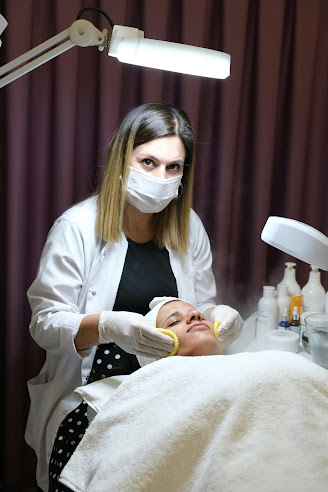
Both procedures begin with a thorough cleansing of the skin to remove surface oils. The peel solution is carefully applied in layers. While traditional peels may cause a temporary warm, tingling sensation, the VI Peel application remains comfortable due to its self-numbing properties.
Recovery & Post-Care
Days 1–2: Your skin may feel tight, slightly warm, or look lightly tanned as dead cells begin to prepare for shedding.
Days 3–5: Active peeling typically begins around the mouth and nose before extending outward. The dead skin naturally flakes away—it is essential not to pull, pick, or scrub peeling tissue.
Days 6–7: Shedding concludes, revealing a brighter, noticeably smoother, and refreshed complexion.
Throughout the healing phase, applying a physical broad-spectrum SPF 30+ sunscreen daily and maintaining skin hydration with gentle moisturizers protects your new skin barrier.
Reveal Your Healthiest Complexion
Both traditional chemical peels and specialized VI Peels provide powerful, proven avenues for skin transformation. Whether you need a light maintenance refresh or deep corrective resurfacing for pigmentation and aging, choosing the right treatment ensures your skin heals safely and glows with newfound clarity.


Comments
Post a Comment